
Houston’s skyline is a testament to modern architecture. Glass skyscrapers dominate the cityscape, reflecting the sun and the city’s vibrant energy. These towering structures are more than just buildings; they are symbols of progress and innovation.
The use of commercial glass in high-rise buildings is a growing trend in Houston. It offers both aesthetic appeal and functional benefits. Glass facades allow natural light to flood interiors, reducing energy consumption and enhancing occupant comfort.
High-rise construction in Houston is booming. The city’s economic growth fuels this expansion, with new skyscrapers constantly reshaping the skyline. These buildings are not only tall but also technologically advanced, incorporating the latest in glass technology.
Houston’s climate presents unique challenges for glass buildings. Heat and hurricane resistance are critical considerations in their design. Advanced glass technology helps address these issues, ensuring safety and efficiency.
Sustainability is a key focus in Houston’s commercial building trends. Glass skyscrapers are designed to minimize environmental impact, aligning with global trends towards sustainable architecture. The integration of smart glass technology is a notable trend, enhancing energy efficiency.
Houston’s iconic glass skyscrapers are landmarks. They attract tourists and architecture enthusiasts alike, contributing to the city’s cultural and economic vitality. As the city continues to grow, these glass giants will remain central to its identity.
The Rise of Glass Skyscrapers in Houston
Houston’s skyline has evolved dramatically over recent decades. The introduction of glass skyscrapers marks a significant shift in architectural style. Sleek and modern, these buildings emphasize transparency and light.
A few factors drive the rise of these structures. Houston’s economic prosperity is a major influence. The growth in energy, technology, and commerce sectors demands modern, efficient office spaces. Glass skyscrapers meet this need beautifully.
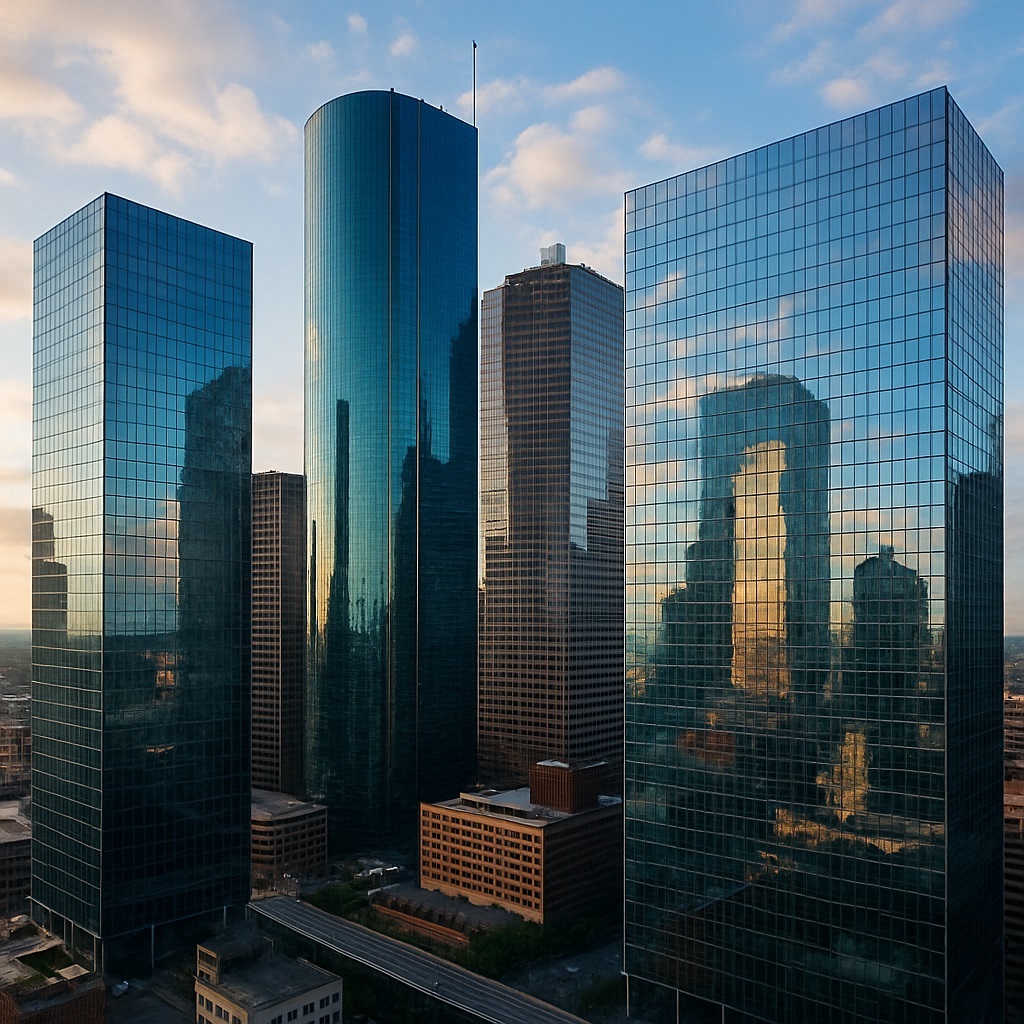
There is also a stylistic appeal. Glass facades offer a sense of openness and connection to the outdoors. The expansive use of glass reflects the Texas sky, creating stunning visual effects.
Developers in Houston are seizing the opportunity to innovate. These skyscrapers often incorporate mixed-use spaces. Residential, commercial, and retail areas coexist, making efficient use of space.
Key motivations behind the rise:
- Economic growth and diversification
- Modern architectural aesthetics
- Demand for mixed-use developments
- Technological advancements in materials
- Sustainable building practices
The construction of these towering giants involves collaboration. Architects, engineers, and developers work together to bring visions to life. This teamwork fosters innovation and efficiency in high-rise construction.
Houston’s downtown area serves as a hub for this growth. New glass buildings continue to appear, each more striking than the last. This trend is not just about visual appeal; it’s about adapting to the city’s evolving needs and opportunities.
The Role of Commercial Glass in High-Rise Construction
Commercial glass has become integral to high-rise construction in Houston. Its usage reflects both functional benefits and aesthetic appeal. The material offers unique advantages for modern skyscrapers.
Natural light is a significant advantage of using glass. Buildings designed with glass facades provide well-lit spaces. This reduces the need for artificial lighting, leading to lower energy consumption.
Advanced glass technology now includes improved insulation. Energy-efficient glass keeps buildings cooler in summer and warmer in winter. This is crucial in Houston’s varied climate, helping manage interior temperatures.
Functional benefits of commercial glass:
- Allows natural light entry, reducing energy use
- Offers improved insulation for temperature regulation
- Enhances visual appeal with sleek designs
Glass also contributes to Houston’s dynamic skyline. Structures with glass facades blend seamlessly with the urban environment. They reflect the cultural blend and modernity of the city.
Moreover, glass enables creative architectural solutions. Designers can experiment with shapes and forms due to its versatility. Different tints and coatings help meet diverse design and performance goals.
In summary, the role of commercial glass extends beyond aesthetics. It’s about enhancing efficiency, comfort, and visual impact. Houston’s cityscape continues to grow more vibrant, thanks in part to these architectural innovations. As the demand for modern office spaces rises, so does the interest in integrating commercial glass into high-rise designs. This trend shows no signs of slowing down, becoming a hallmark of new construction in the city.
Architectural Innovation: Design Trends in Glass Facade Buildings
Glass facade buildings in Houston have transformed architectural practices. These buildings represent innovation and cutting-edge design. They bring both beauty and practicality to urban spaces.
The adoption of sleek, minimalist designs is notable. Architects favor clean lines and expansive glass surfaces. This approach creates a sense of openness and fluidity in structures.
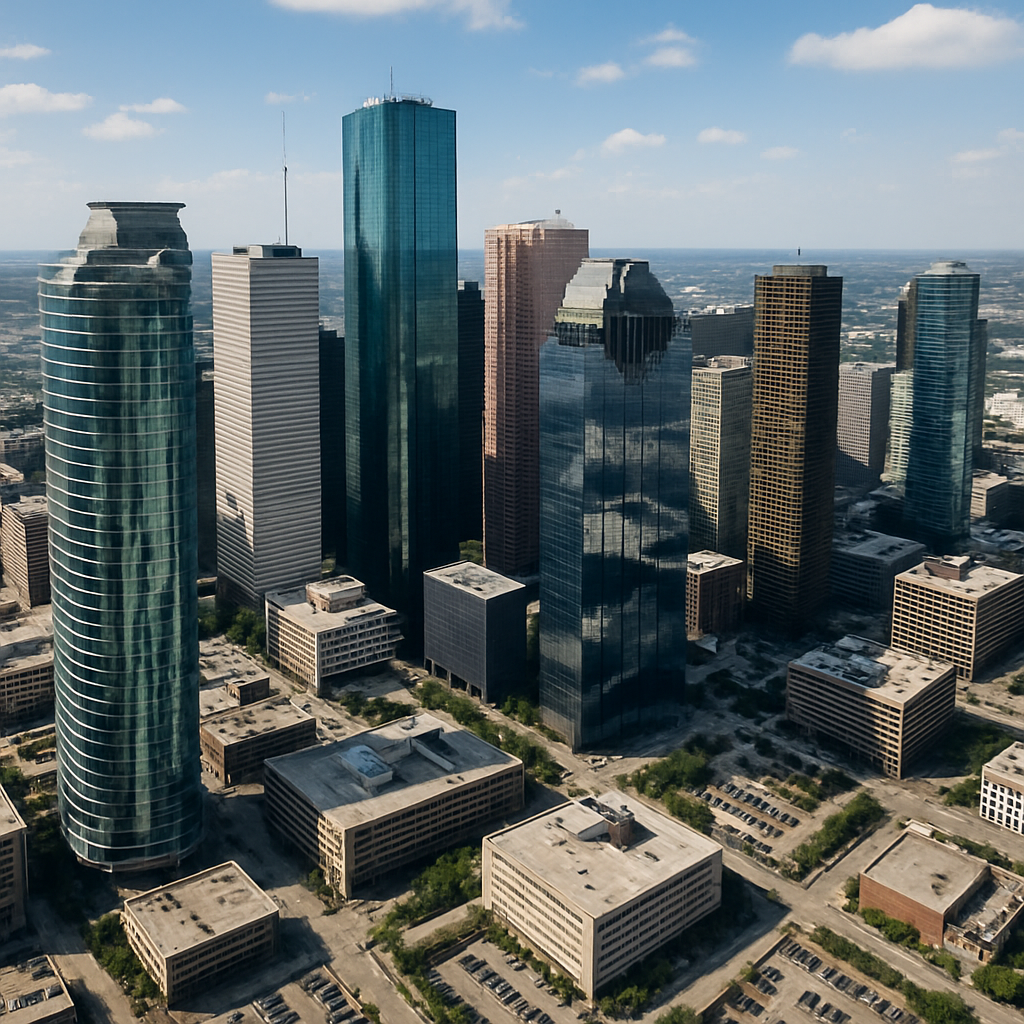
Reflective surfaces add another dimension to design. Glass facades can mirror the surrounding environment. This feature allows buildings to blend into their settings while maintaining distinct identities.
Another significant trend involves mixed-use designs. Glass skyscrapers often integrate residential, commercial, and retail elements. This mix fosters dynamic and multifunctional urban experiences.
Current glass facade trends include:
- Minimalist designs with clean lines
- Integration of mixed-use spaces
- Incorporation of reflective and adaptive glass
Adaptive glass technology is also gaining traction. It allows facades to change color or transparency based on external conditions. This innovation enhances both aesthetics and energy efficiency.
Furthermore, Houston’s architectural scene embraces sustainability. Eco-friendly materials and technologies are increasingly utilized. Sustainable design goes hand-in-hand with aesthetic excellence in modern glass buildings.
Design trends in glass facade buildings continue to evolve. Innovation is at the forefront, combining functionality with stunning visuals. Houston’s skyline benefits from these advances as it grows more iconic and vibrant. Each new project adds to the city’s architectural tapestry, merging past influences with future aspirations. This ongoing evolution ensures that Houston remains a leader in commercial building trends. Through this lens, glass skyscrapers aren’t just structures; they are symbols of modern progress, reflecting the city’s forward-thinking ethos.
Engineering Marvels: Overcoming Houston’s Unique Challenges
Designing glass skyscrapers in Houston requires addressing numerous challenges. This region’s climate can be harsh and unpredictable. Engineers must consider extreme heat, humidity, and the threat of hurricanes.
The need for weather-resistant structures is critical. Advanced glass technologies play a key role in meeting these needs. Multi-layered glass facades resist high winds and impact during storms.
Materials selected for construction must enhance both safety and resilience. These materials ensure the integrity of the building in volatile conditions. Environmental factors influence material choice and structural design.
Houston’s unique soil composition poses additional challenges. Engineers often use deep foundations and specialized techniques. These methods secure buildings on unstable ground, ensuring long-term stability.
Innovative engineering solutions include:
- Hurricane-resistant glass technologies
- Deep foundational engineering techniques
- Advanced energy-efficient materials
Beyond materials, engineering strategies focus on energy efficiency. Heat-reflective glass reduces cooling costs. This innovation alleviates some of the environmental and financial burdens of energy consumption.
The collaboration of architects and engineers is essential. Their joint efforts make Houston’s glass skyscrapers architectural marvels. Each skyscraper stands as a testament to innovation overcoming natural challenges.
In conclusion, Houston’s high-rise structures are feats of engineering brilliance. They transform potential obstacles into opportunities for creativity. This commitment to excellence enables Houston’s glass buildings to thrive against nature’s tests, leading to the development of a resilient and forward-thinking urban landscape. These engineering marvels contribute significantly to Houston’s impressive skyline.
Sustainability and Energy Efficiency in Glass Skyscrapers
Houston’s skyscrapers are not just about towering heights; they’re about sustainability too. The use of glass in these buildings often aligns with environmental goals. Energy efficiency is a pivotal aspect of contemporary building design.
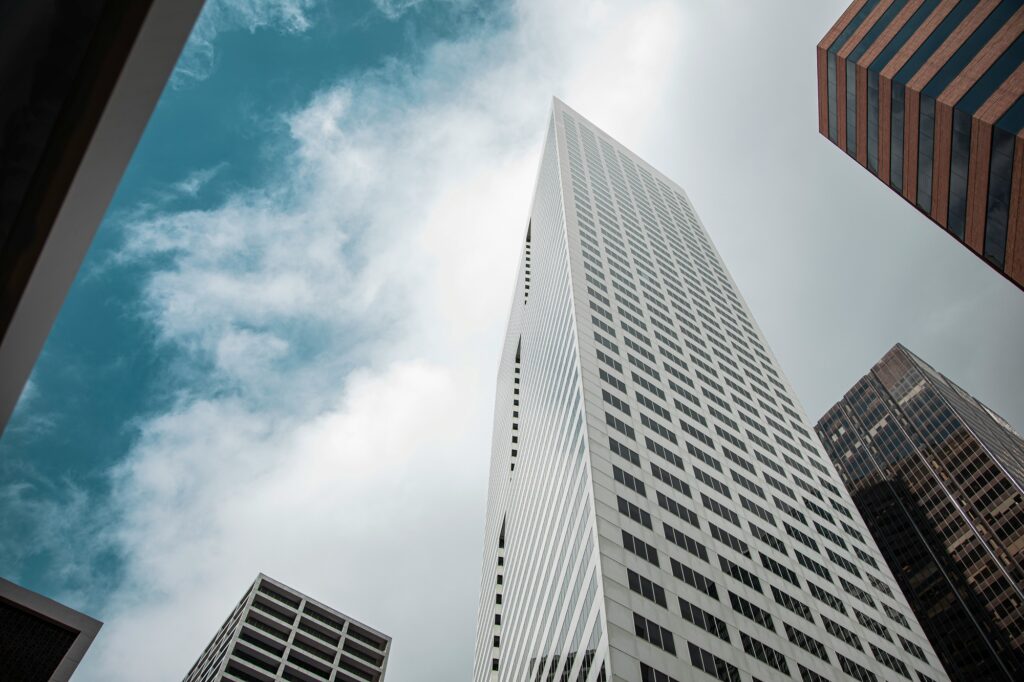
Modern glass facades offer more than aesthetic appeal. They enhance natural light penetration, reducing the need for artificial lighting. This reduction translates to noticeable energy savings and contributes to a building’s sustainability.
by Benjamin Rauls (https://unsplash.com/@benjaminrauls)
A vital aspect is utilizing cutting-edge glass technology. Advanced technologies include low-emissivity coatings and insulated glazing units. These innovations minimize heat gain and loss, maintaining comfortable indoor temperatures year-round.
Energy efficiency practices in glass buildings:
- Use of low-emissivity glass
- Incorporation of smart glass technology
- Integration of daylighting strategies
Smart glass is a game changer in Houston’s design landscape. This intelligent material automatically adjusts its properties. It optimizes energy use by controlling light entry and reducing glare.
Sustainable building practices go beyond energy concerns. Glass skyscrapers incorporate green building standards and certifications. These standards ensure minimal environmental impact and promote a healthier urban environment.
Houston’s commitment to eco-friendly skyscrapers reflects broader global trends. As the demand for sustainable architecture grows, Houston is leading by example. The city’s glass buildings set a precedent for combining style with sustainability, demonstrating how urban development can align with environmental stewardship, ensuring that skyscrapers remain green for the future.
Iconic Glass Skyscrapers Shaping Houston’s Skyline
Houston’s skyline is a testament to modern architecture, with glass skyscrapers standing tall. These structures are landmarks of innovation and design. Each building tells a story of architectural ambition and achievement.
Some of the most recognizable skyscrapers are distinguished by their glass facades. The reflections of Houston’s vibrant urban life dance across their surfaces. This dynamic interaction between building and cityscape creates a captivating visual experience.
The Wells Fargo Plaza is one of these architectural giants. As the tallest glass building in Houston, it commands attention. Its sleek design and reflective surfaces have become an integral part of the city’s identity.
Notable glass skyscrapers in Houston:
- Wells Fargo Plaza
- JP Morgan Chase Tower
- ExxonMobil Building
- Heritage Plaza
Among these, the JP Morgan Chase Tower also stands out. Its construction showcases the possibilities of commercial glass. It offers unobstructed views of the sprawling city below.
The aesthetic contributions of these skyscrapers go beyond appearances. They represent Houston’s economic progress and cultural aspirations. These buildings attract businesses and tourists alike, reinforcing the city’s status as a commercial hub.
The use of commercial glass is crucial in maintaining Houston’s cutting-edge skyline. With each new building, the city embraces modern design and function. The skyline’s evolution is a reflection of Houston’s forward-thinking attitude.
These iconic skyscrapers are more than just feats of engineering. They are symbols of Houston’s vibrant growth and urban renewal. As the city continues to expand, its skyline will remain a beacon of ambition and innovation, capturing the spirit of progress with each new structure.
The Future of High-Rise Construction in Houston
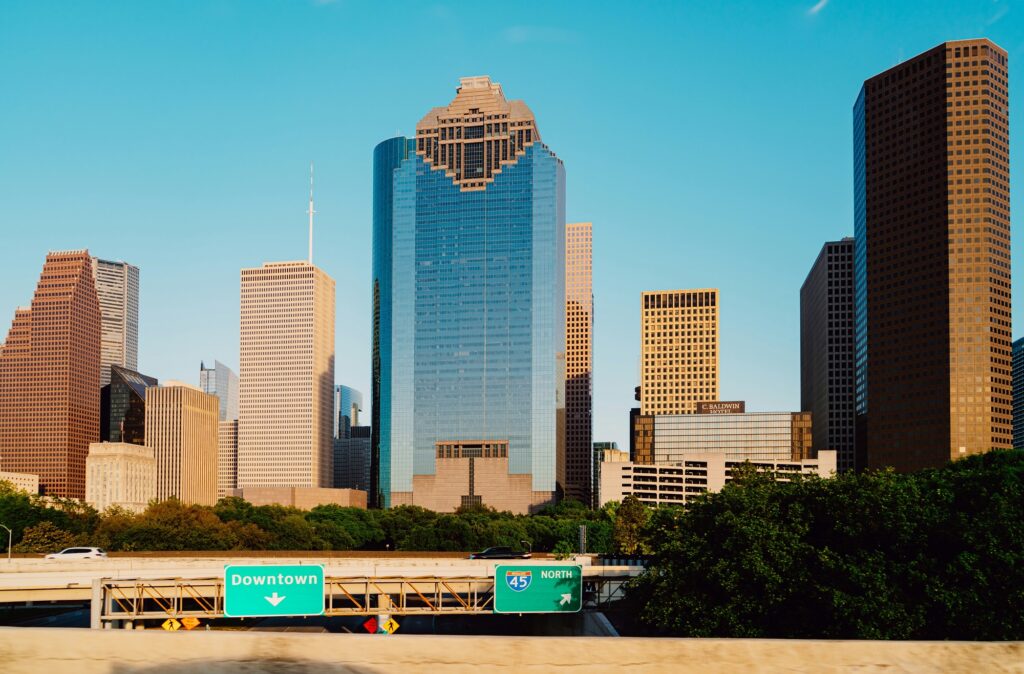
The future of high-rise construction in Houston is exciting and dynamic. As the city grows, so does the demand for modern skyscrapers. This growth is driven by urbanization and economic expansion.
Houston’s developers are increasingly focused on sustainability. Future projects will likely incorporate green building practices and eco-friendly materials. Energy efficiency will become a central theme in new high-rise designs.
by Adrian Newell (https://unsplash.com/@anewevisual)
Technology is also set to play a pivotal role in upcoming buildings. Smart glass with adjustable tint may become more prevalent. This feature allows for optimal light control, enhancing energy efficiency.
Emerging trends in high-rise construction:
- Sustainable materials
- Smart building technology
- Mixed-use spaces
- Enhanced safety features
In addition to sustainability, the trend of mixed-use developments continues to rise. Future skyscrapers will likely combine office, residential, and retail spaces. This approach promotes urban living and minimizes the need for extended commutes.
With these advancements, Houston’s skyline will evolve into a more innovative landscape. New constructions will reflect the latest in architectural design and function. This transformation is set to make Houston a leader in modern high-rise construction.
As planners and architects continue to innovate, the city’s skyline will reflect these changes. Houston’s commitment to progress ensures its place at the forefront of high-rise architecture. The future looks bright as each new development pushes the boundaries of design and technology.
Conclusion: Houston’s Glass Skyscrapers as Symbols of Progress
Houston’s glass skyscrapers stand as bold symbols of the city’s journey and ambition. These towering structures reflect a blend of modern design and technological innovation. Their presence on the skyline showcases Houston’s commitment to growth and progress.
Each glass building tells a story of architectural ingenuity. They harmonize aesthetics with functionality, setting new standards in high-rise construction. As these buildings reshape the city, they also inspire future developments across the architectural landscape.
Houston’s emphasis on sustainability and energy efficiency highlights its forward-thinking mindset. This approach not only enhances the city’s global reputation but also boosts its economic vitality. As the city evolves, its iconic glass skyscrapers will continue to shape both its urban identity and its future. These edifices remind residents and visitors alike of the strides Houston makes toward a sustainable and innovative future.